Drive Awake · Perspectives · Culture
When an island decides to stop
Nyepi, the culture of wakefulness and a question for road safety.
Entry · cultureLast revision: 26.09.2026
| 26.09.2026 | Calendar clarified |
The sentence
In August 2026 a court in Bali sentenced a tourist to one year in prison. During March's Nyepi, the Balinese Day of Silence, he had left his accommodation, reached a beach and posted Instagram videos calling the tradition "crazy", with a vulgar addition. In court he apologised: he had not meant to insult anyone, he said; he was hungry and had not fully understood the restrictions. The judge replied that those gestures had wounded a people's faith. The conviction rests on Article 301 of Indonesia's new criminal code, which protects religious feeling.
An island that stops
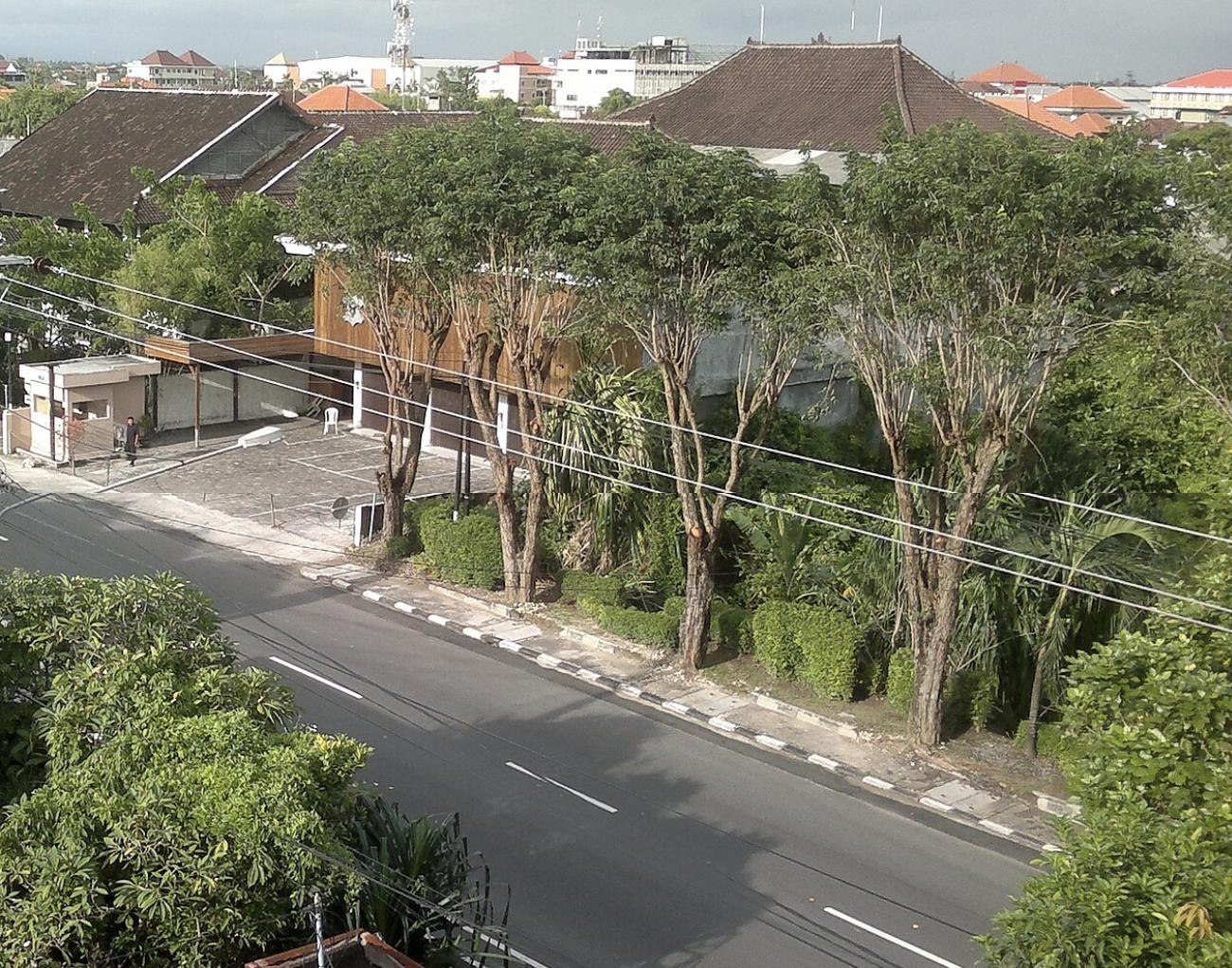
To understand the sentence you have to understand the day. Nyepi opens the new year of the lunisolar Saka calendar and is built around four abstentions, the Catur Brata Penyepian: no fire and no light, no work, no entertainment - and amati lelungan, no travelling. For twenty-four hours an entire island stands still. The roads empty, the airport closes, the night grows dark again. It is not a long Sunday: it is a collective act of silence and introspection, watched over and shared.
Grammars of time
Seen from outside, a day on which you cannot go out may look like mere deprivation. This is where the case stops being a news item and becomes a question: on the same roads, different grammars of time live side by side, and what is sacred to one culture can be unintelligible to another. There is no need to ridicule a tourist or idealise an island. What matters is to notice the distance.
Because the distance concerns us too. Our societies have built an entire arsenal for not stopping: caffeine, energy drinks, shifts, notifications, assistance systems that keep watch for us when alertness fades. Almost everything we invent around sleepiness serves to keep going. In Bali, at least one day a year, an entire community considers the opposite legitimate - even necessary.
Why it matters to us
Sleepiness contains a decision
Drive Awake is about sleepiness at the wheel, and sleepiness is not only physiology: it contains a decision. Drivers who feel sleepy often know it - and carry on anyway, because they must arrive, deliver, finish the shift, not lose time. The need for sleep is universal; the way we organise sleep and wakefulness, and the legitimacy we grant to stopping, is largely cultural. The anthropology of sleep has documented it for decades: the hours change, the places change, the forms change - and so does how far a society lets you say "I am stopping now".
The question that remains
Nyepi is not a road safety measure and we will not dress it up as prevention: the connection is cultural, not scientific. But when the island turns its lights back on and the roads fill again, the question remains, and it holds on the A2 as well: if stopping were a value, and not a defeat, how many would keep going anyway?
Sources
Euronews/AP, 20.08.2026 (Denpasar District Court ruling).
ABC News, August 2026 (trial coverage).
The Bali Times, August 2026 (legal basis: Art. 301(1) of Indonesia's new criminal code).
I D.P. Sutjana, Cultural Approach to Reduced Traffic Accident in Bali, Udayana University, APOSHO proceedings 2005 (cultural context).