Drive Awake · Awareness Behind the Wheel
How present are you, really?
Drive Awake is a Swiss project about sleepiness at the wheel. A documentary, a campaign and a platform: sleep science told by artists, with the sources right alongside.
It’s 21:28 in Switzerland. This hour’s episode →
The danger without a signal
At the roadside, sleepiness leaves no trace.
No breathalyser, nothing to record in the police report. That’s why so little is said about it, and that’s why Drive Awake exists.
up to 30 % of serious crashes in the evening and at night are linked to sleepiness.
Clinical estimate by Prof. Mauro Manconi, EOC Neurocenter of Southern Switzerland. → Drive Awakedriveawake.ch
validated tests measure a driver’s sleepiness at the roadside today.
Since July 2024, new vehicles in Switzerland, as in the European Union, must have a system that warns the driver when it detects a drop in alertness.
EU Regulation 2019/2144 · FEDROThe campaign
The 24 Hours
Every hour of the day has its own threshold, and a short episode that tells its story.
The full series is online. On our channels, one episode a day, from 24 October to 16 November 2026.
the alertness curvethe blue: the hours that are online
Choose an hour. The highlighted ones are online.
Open the series →Understand
Science on the driver’s side
Three ways of looking at the same danger: Sleep Science: the science Perspectives: law and culture The Threshold: the experience
The network: how the themes connect →Watch
The documentary and the voices
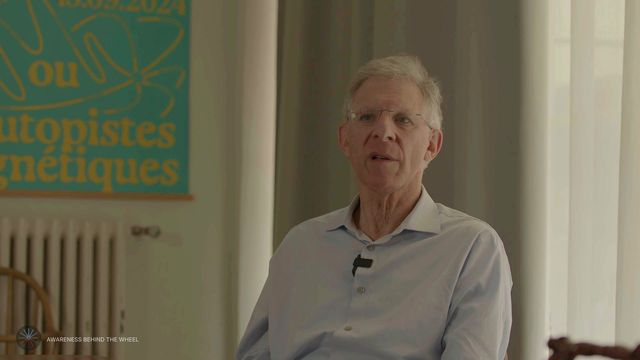 Michael H. Silber
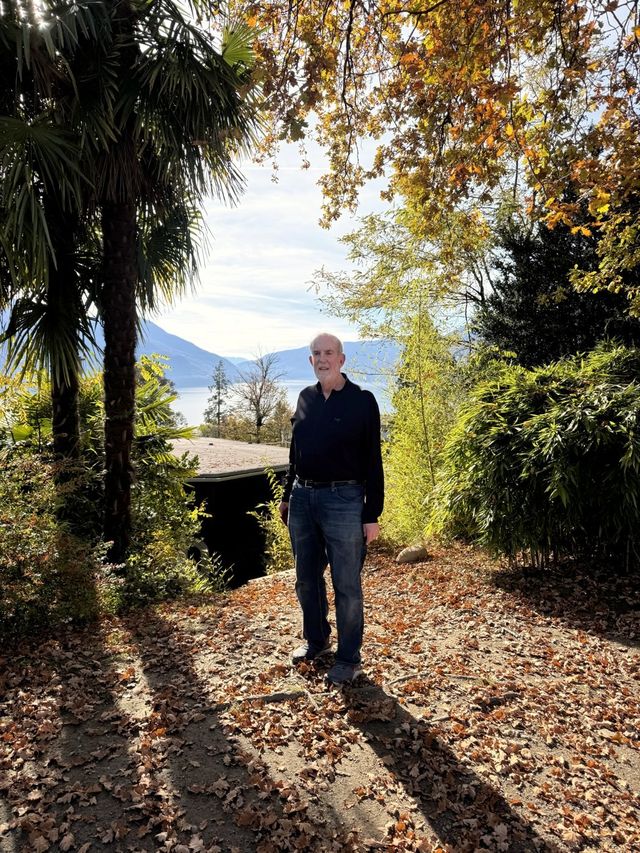 Carlos H. Schenck
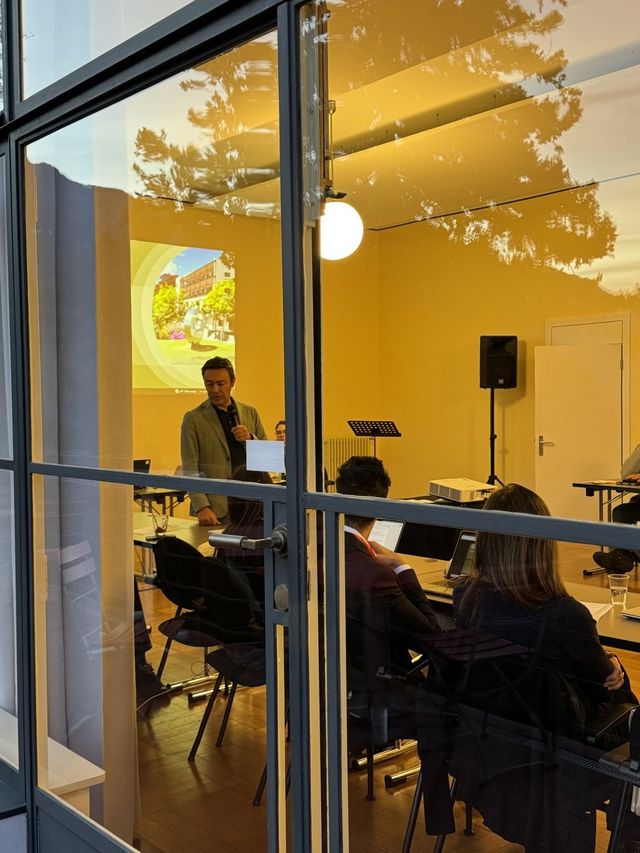 Mauro Manconi
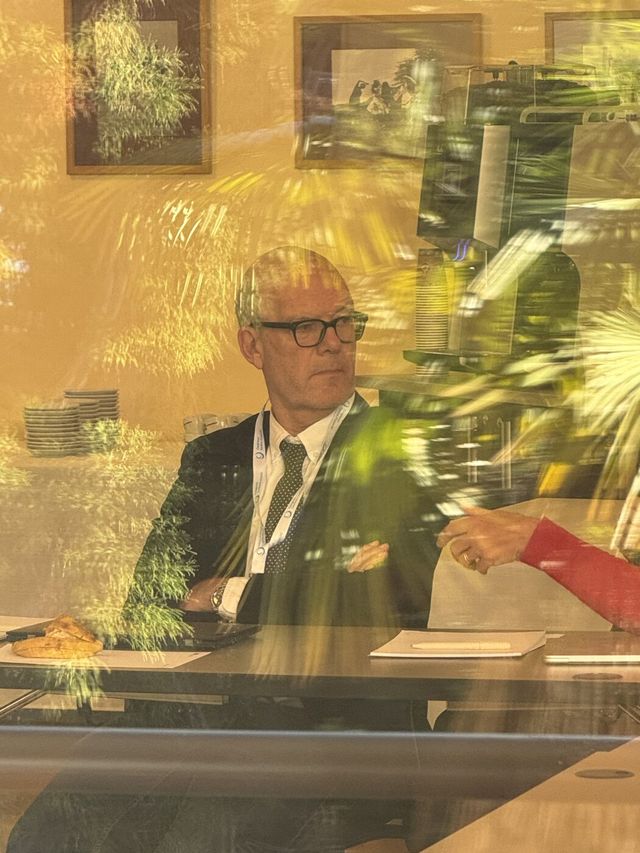 Pierre Philip
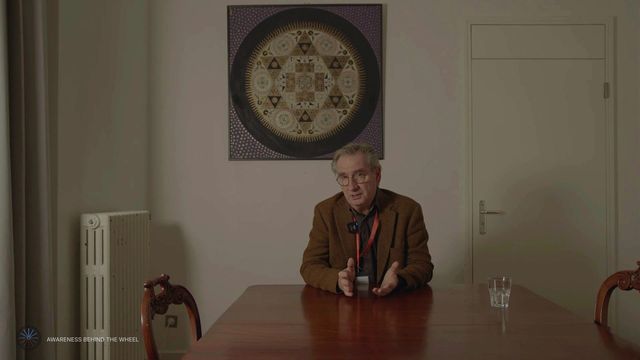 Gert Jan Lammers
 Simone Gianini
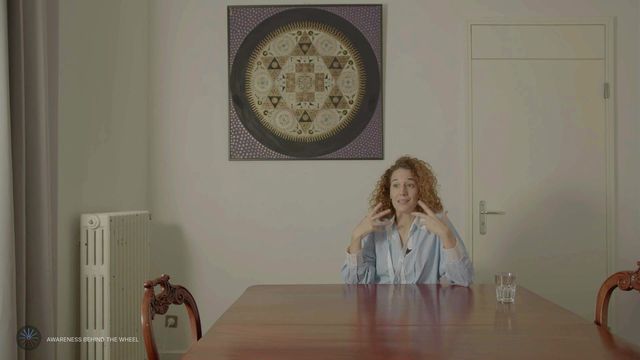 Francesca Siclari
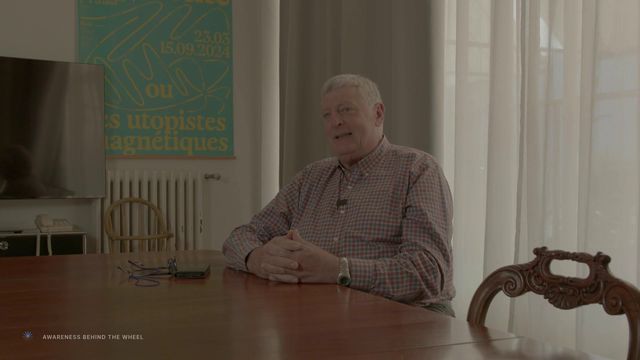 Raffaele Ferri
 “You are doing a great public health service.”
Prof. Carlos H. Schenck, University of MinnesotaOne of the fathers of sleep medicine: with Mark Mahowald, he was the first to describe REM sleep behavior disorder, in 1986. He wrote this to us after his interview went online.Pull over
Three things to do, with the sources
- 01Know the risky hours.
Sleep-related crashes have three peaks: around 2 and 6 in the morning, and around 4 in the afternoon.
Horne and Reyner 1995 - 02Take your sleepiness seriously.
You can usually feel it coming, and sleep is often closer than it seems. An open window and music won’t make it go away.
Reyner and Horne 1998, two simulator studies 1 2 - 03Pull over.
Two coffees, then ten to twenty minutes of sleep. Before you set off again, wait at least a quarter of an hour.
Reyner and Horne 1997 · Philip et al. 2006 · Trotti 2017
For your next journey
Who we work with
Science by our side, on the road together
With the Institute of Forensic Medicine, University of Zurich, we’re following the search for an objective measure: one study detected signs of a sleepless night in saliva. It’s a laboratory result, not yet a roadside test. Scholz et al. 2026






Supported by the Swiss Road Safety Fund (FVS).
All partners →About us
Drive Awake is a project by Matteo Fieni and Opening®, with Kevin Merz co-directing the documentary. We’re not scientists: we tell the story of science, and every scientific figure comes with its source.
Drive Awake gives voice to research and to professionals, and opens the conversation to the public.